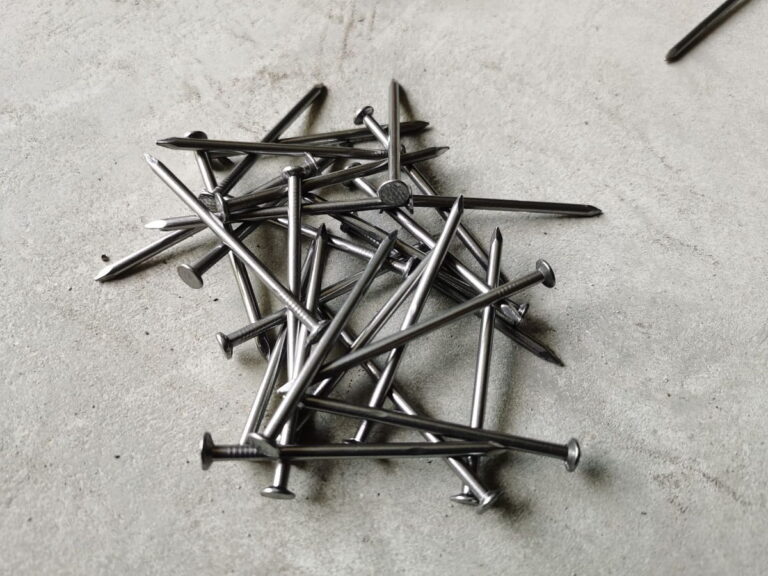
The wire nail production line is designed to manufacture wire nails. This process involves multiple stages and various types of machinery to transform steel wire into finished nails, meeting the demand for mass production. Wire nails, also known as common nails, are essential for numerous construction and manufacturing projects. Wire nails are popular in furniture, construction, home decoration, and woodwork due to their corrosion resistance, long service life, fast nailing speed, and ease of use.
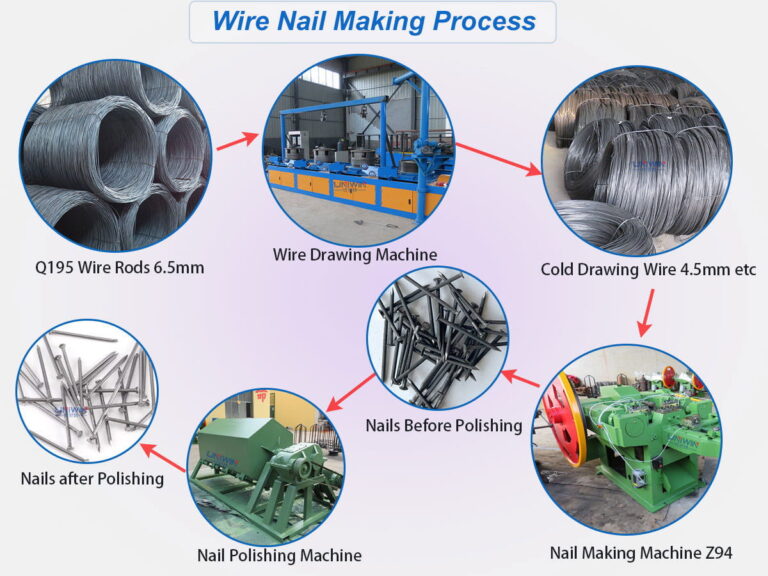
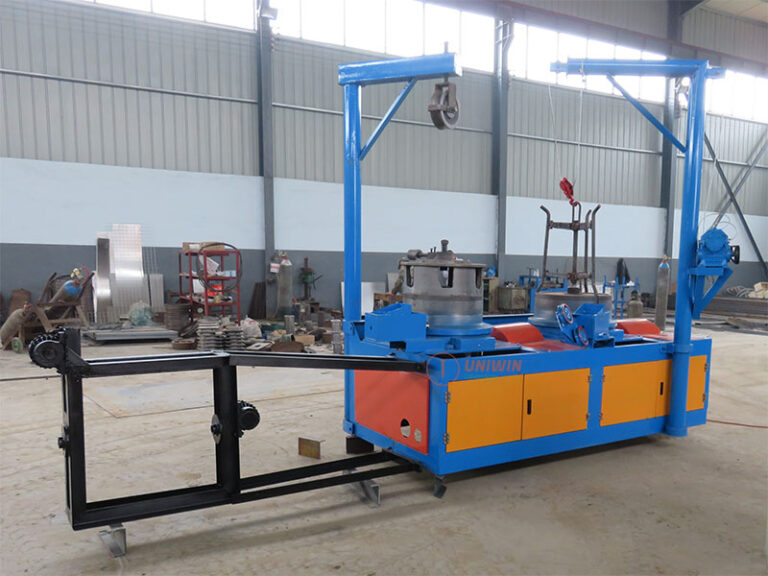
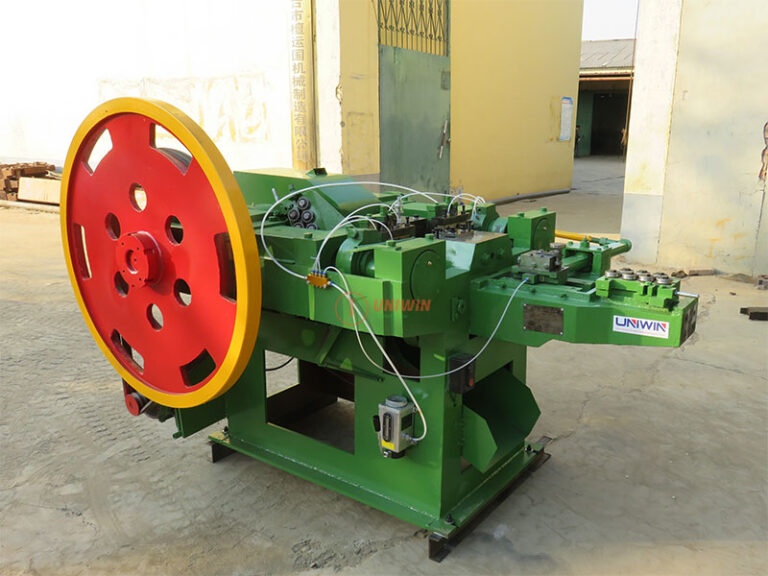
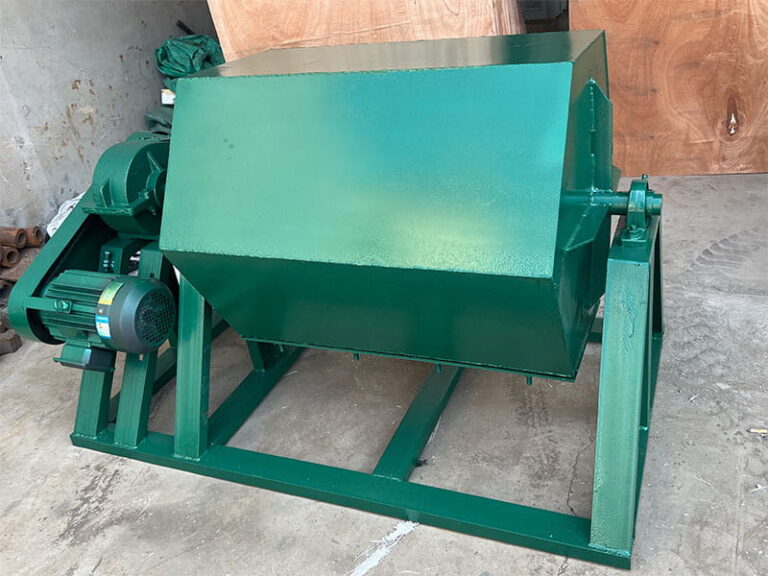
The production of wire nails involves three primary machines: the wire drawing machine, the nail making machine, and the polishing machine. The wire drawing machine reduces the diameter of the steel wire to the desired size using different drawing dies. The nail making machine cuts the wire into lengths, creates the nail head, and sharpens the point. Finally, the nail polishing machine adds sawdust to make the nails smooth and bright.
The Wire Nail Manufacturing Process
Producing high-quality wire nails involves wire drawing, nail making, polishing, quality inspection, and packaging.
Wire drawing
The initial step involves drawing the raw material steel wire Q195 or Q235, which has a diameter of 6.5 mm, into smaller diameter wires such as 2.5mm, 3.5 mm, 3.7 mm, and 4.5mm using a wire drawing machine. The drawing process is facilitated by the sharpening mill, drawing powder, and butt welding machine. The steel wire is passed through the drawing powder before entering the drawing die, which reduces friction and prolongs the service life of the drawing part.
The steel wire is fed into the wire nail making machine, which cuts it into nails and forms nail heads. The machine can produce nails of different sizes by adjusting its settings. The working principle of the wire nail making machine involves four processes. First, the drawn wire rod is placed on a wire reel and fed into the machine. Second, when the nail mold grips the steel wire, the pin punch forms the nail head. The feeding box moves the steel wire forward, and the nail cutter cuts the wire to the desired length and shape. The feeding box moves the steel wire forward, and the nail cutter cuts the wire to the desired length and shape. The feeding box moves the steel wire forward, and the nail cutter cuts the wire to the desired length and shape. The finished wire nails are then collected in the box below the machine.
Nail polishing
The nails produced by the nail making machine have sharp edges and may contain residual oil or grease. The nail polishing machine is used to polish wire nails with sawdust, engine oil, paraffin, or other materials to ensure they are clean and free of burrs. Sawdust is used to remove any sharp edges, engine oil is used to brighten wire nails and give them a shiny surface, and paraffin is used to increase the rust resistance of wire nails.
After polishing, the nails undergo quality inspection. This inspection can involve manual and machine processes to ensure the nails meet the desired specifications.
Packaging
After the quality inspection, the nails are packaged in cartons of varying sizes and weights, including 1kg, 5kg, 20kg, or 25kg.
It is important to note that while different manufacturers may have slightly different processes, the basic principles remain the same.
Auxiliary Equipment in the Production of Wire Nails
In addition to the three main pieces of equipment, the following auxiliary devices also play a significant role.
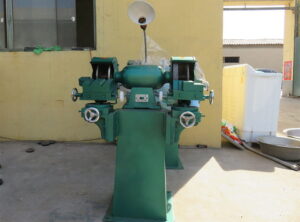
1. Sharpening mill: The mill grinds the raw steel wire tip before passing it into the wire drawing machine.
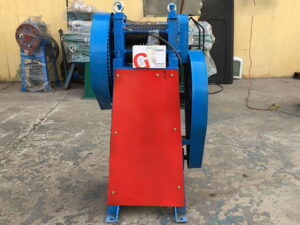
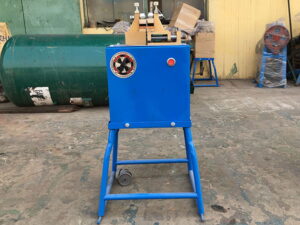
2. Butt welding machine: The butt welding machine ensures continuous operation of the wire drawing machine. If the wire breaks during the drawing process, we use the butt welding machine to weld the two ends together.
3. Nail cutter grinder: The function of the nail cutter grinder is to sharpen the nail cutter when it becomes dull.
The Quick-Wear Parts in Producing Wire Nails
Wire nail production is a high-speed and high-intensity process that stresses machinery considerably. This stress causes certain parts of the machinery to wear out faster. To ensure the production line runs smoothly, it is necessary to inspect, maintain, and replace these parts regularly. The following are the most common parts that wear out on the wire nail production line:
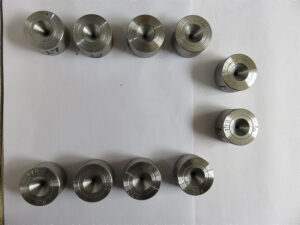
1. Wire drawing dies: The wire drawing die is utilized to decrease the diameter of steel wire to the required size. In the wire drawing machine, the dies wear out relatively quickly due to the friction between the steel wire and the dies and, therefore, need to be replaced regularly. Each wire drawing die can produce up to 20 tons of steel wire.
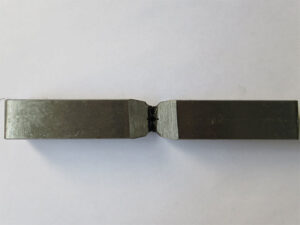
2. Nail cutter: The nail cutter is intended for cutting cold-drawn wire into wire nails. However, due to the high speed and robust cutting process in the nail making machine, the knives are subject to severe wear and tear, resulting in a lifetime of only 1-2 months.
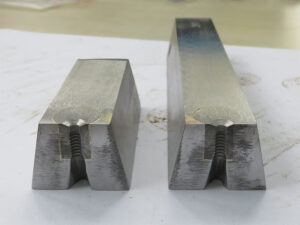
3. Nail mold: The nail mold is used to grip the wire during nail-making. Due to constant use, it experiences wear and tear and needs to be replaced every three months.
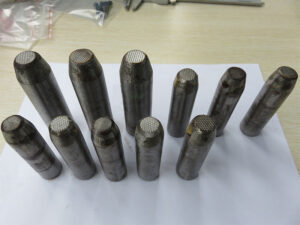
4. Punch bar: The punch bar forms the nail head and must be durable and precise. Repeated impacts during the nail-forming process can cause these components to degrade, requiring prompt replacement. The expected lifetime of the punch bar is 6 months.
Maintaining these critical wearing parts is essential for efficiently operating the wire nail production line. It is crucial to monitor the running status of these parts to ensure the quality of wire nails and maintain optimum production capacity.